Squarespace's Existential Super Bowl: Adam Driver Asks If the Internet Needs Another Website
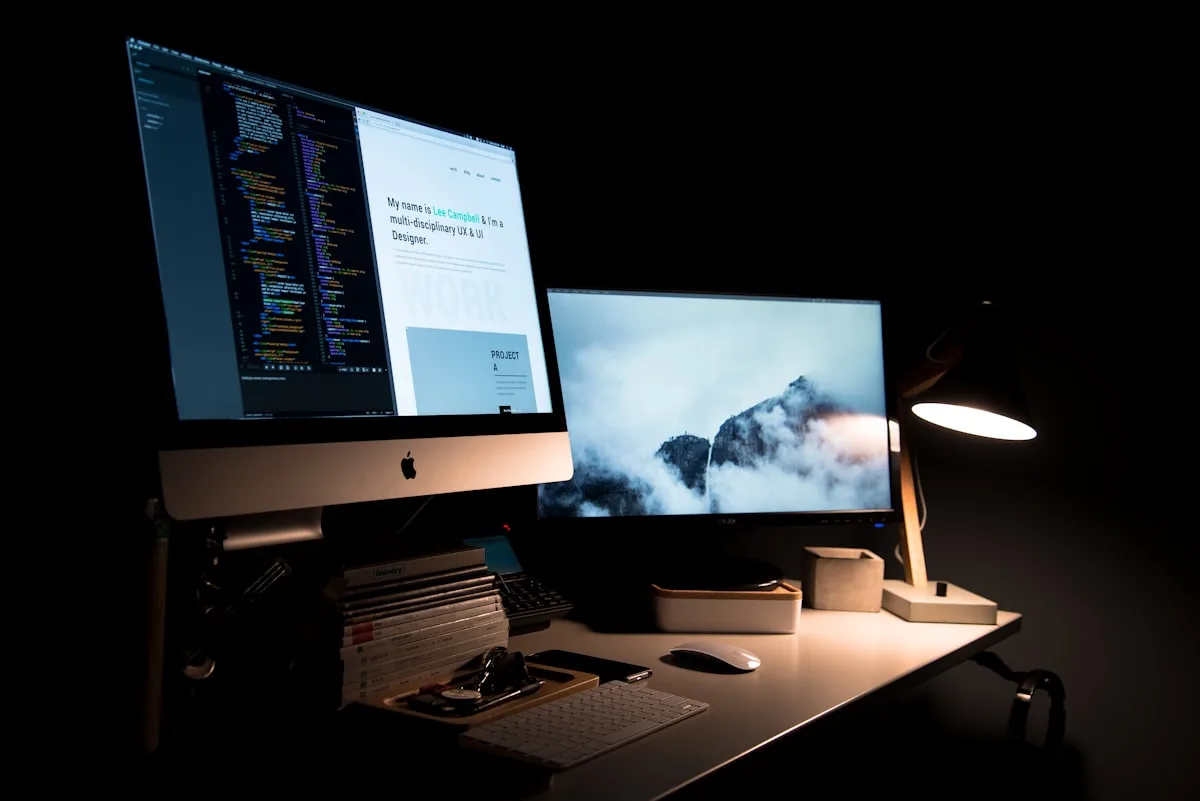
Squarespace asked Adam Driver a genuinely strange question for a Super Bowl ad: does the internet need another website? The 2022 campaign leaned into philosophical absurdity rather than feature pitches, and in doing so made Squarespace feel like a brand with a point of view rather than just a tool.
The website builder category in early 2022 had competed its way to functional parity. Every major platform, including Squarespace, Wix, GoDaddy, and WordPress.com, offered essentially the same promise: build a professional website without coding, quickly, affordably. Drag-and-drop editors, mobile-responsive templates, e-commerce integrations, SEO tools: the features were roughly comparable across competitors, and the advertising reflected this by cycling through the same reassurances on different budgets.
Squarespace had been running Super Bowl ads since 2014, working with Jeff Bridges, Keanu Reeves, and other talent in campaigns that were polished but had not yet found a fully distinctive creative identity. For Super Bowl LVI, broadcast on February 13, 2022, from SoFi Stadium in Inglewood, California, the in-house creative team arrived at something genuinely different: a campaign built around a question with no comfortable answer.
Does the internet need another website?
The Brief and the Casting
The question at the centre of the campaign is a real one. There are over 1.9 billion websites. Most are unused or unmaintained. Web traffic concentrates on a small number of platforms. Against this context, selling the means to create another website requires philosophical confidence: an argument that the specific website you might build matters even if the aggregate number of websites does not.
Squarespace’s answer was to not fully resolve the question but to make the asking of it the creative engine of the campaign. The brand hired Adam Driver, recruited director Aoife McArdle, and built a 90-second film that takes the product’s recursive logic literally. Driver builds a website. The website is about making websites. It is made using Squarespace, which is itself a platform for making websites. The loop folds back on itself with a slightly uncanny quality, and the film holds that quality with a straight face throughout.
Driver was the right choice for reasons beyond his profile. He is an actor known for working with directors who demand seriousness: Spike Lee, Jim Jarmusch, Leos Carax. Using him in a website builder ad carries a message by itself: this platform is for people who take what they make seriously. That subtext was more important to Squarespace’s audience than any feature comparison with Wix or GoDaddy.
McArdle’s Cinematic Approach
Aoife McArdle, an Irish director known for her music video work and for her feature debut Kissing Candice (2017), brought a visual discipline to the campaign that the broadcast version only partially conveys. The 90-second online film, released before the game, used long takes, ambient sound design, and a colour palette closer to contemporary European art cinema than to Super Bowl advertising. The 30-second broadcast cut, airing during the second quarter, necessarily compressed this, but the longer film was designed to circulate in the days following the broadcast through creative industry channels and advertising press.
The production approach also reflected Squarespace’s self-positioning as a design-forward brand. A platform whose primary value proposition is helping people create beautiful, professional-looking things has to demonstrate that standard in its own creative output. The “website about making websites” premise is explicitly recursive: the Squarespace ad folds back on itself, formally strange in a way you notice before you understand why. Strange in service of a coherent creative idea is genuinely memorable because the viewer tries to resolve the strangeness, and that cognitive work makes the ad stick.
Absurdism as Brand Strategy
The existential absurdism of the campaign is a brand strategy with specific logic. Squarespace’s target customer is someone who makes things and wants those things to have a professional home on the internet: photographers, musicians, small business owners, consultants, writers, artists. This group is comfortable with irony, responds to creative confidence, and makes decisions based on aesthetic quality as well as functional performance.
A campaign that takes an absurdist premise and executes it with complete cinematic commitment signals, to this audience, that Squarespace operates at the same register they do. The question “does the internet need another website?” transforms building a website from a technical task into a meaningful choice, positioning Squarespace not as a commodity tool but as the platform you use when what you are building matters.
Squarespace had maintained this creative approach consistently since 2014, which made the 2022 campaign more powerful than it would have been in isolation. Viewers who had seen previous Squarespace Super Bowl work arrived expecting something cinematic and slightly strange. That expectation is itself a form of brand equity, earned through sustained creative investment rather than any single spot.
The Results
Squarespace searches increased by approximately 80% in the 24 hours following the Super Bowl LVI broadcast. Post-campaign brand tracking showed meaningful improvements in brand attributes related to distinctiveness and innovation, the precise perception dimensions Squarespace needed to shift in a commoditised category. The 90-second film accumulated substantial organic viewership and coverage in AdAge, Fast Company, and creative industry publications, extending the campaign’s reach well beyond the paid broadcast audience.
In 2021, Squarespace completed a direct listing on the New York Stock Exchange, reflecting sustained business growth over the period of its Super Bowl investment. The brand’s annual return to the broadcast signals that the placement meets the company’s own return criteria.
The broader principle: creative distinctiveness in any high-clutter environment is a strategy, not an accident. The commitment to be the quietest, strangest thing in the loudest room is one of the smarter Super Bowl strategies of the last decade, precisely because it requires knowing exactly who you are and holding to it when every competitive instinct pushes toward the safer, louder middle.
Key Results
- Super Bowl Ad Cost: Estimated $6.5 million for 30-second Super Bowl LVI placement (February 2022)
- Search Volume: Squarespace searches spiked 80% in the 24 hours following Super Bowl broadcast
- Brand Perception Shift: Post-campaign brand tracking showed significant improvement in 'distinctive' and 'innovative' perception scores
- Campaign Format: Extended 90-second film released online before the game; 30-second cut aired during Super Bowl LVI
- Director: Directed by Aoife McArdle; in-house creative with external production
SWOT Analysis
| Strengths | Weaknesses | Opportunities | Threats |
|---|---|---|---|
|
|
|
|
Key Takeaway
Squarespace's Super Bowl bet worked because it committed to a real creative idea rather than a product demonstration. In a category full of 'drag-and-drop, build your website in minutes' ads, a philosophical question delivered with cinematic production values was disruptive enough to remember. The product didn't need to be in the ad, the brand did.