
MailKimp? SerialMom? How Mailchimp's Podcast Mispronunciation Campaign Became a Masterclass in Audio Branding
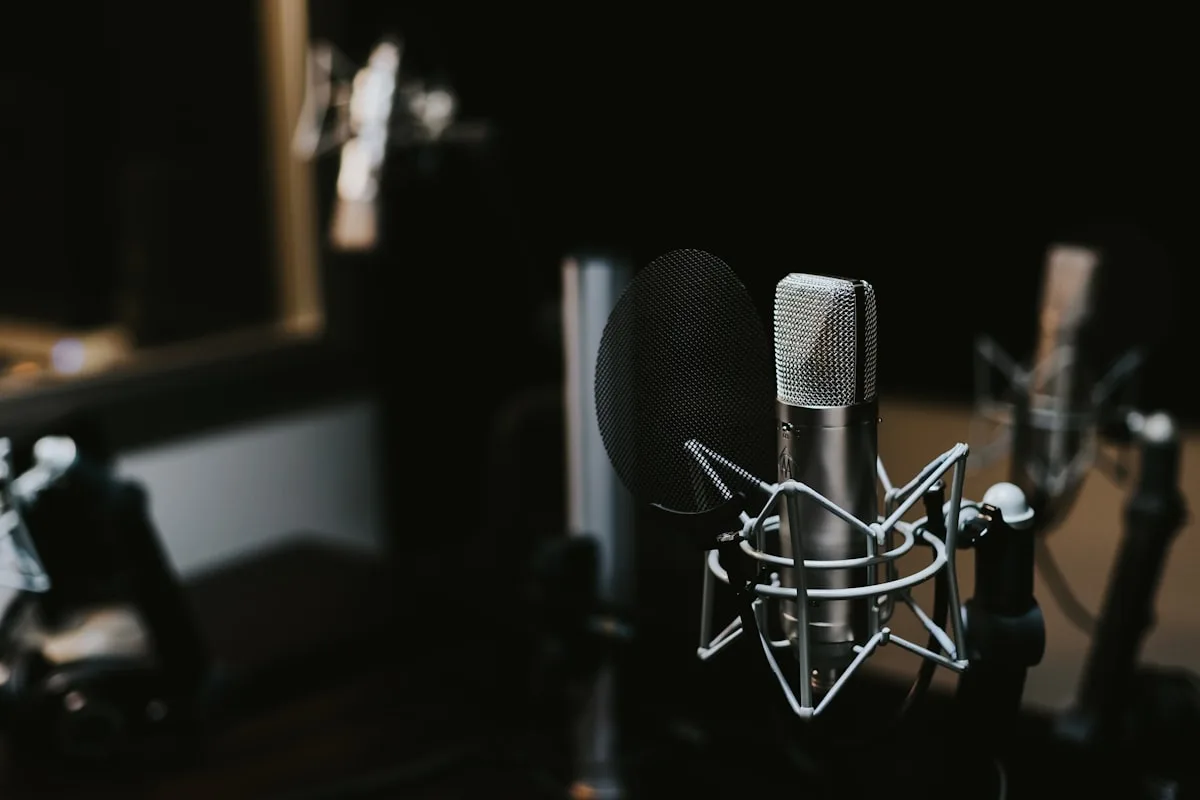
Droga5 created nine fake companies with names that sounded vaguely like 'Mailchimp' — MailShrimp, KaleLimp, JailBlimp — and sponsored Serial Season 2 with them instead. It was one of the most talked-about campaigns of 2017 and made Mailchimp the brand everyone was trying to figure out.
Serial Season 1, launched in 2014, changed what Americans thought podcasts could be. It was investigative journalism as serialized drama, binge-listened during commutes by people who had never previously downloaded a podcast. It also created something new: a prestige tier in podcast advertising. Mailchimp was Serial’s primary sponsor, and somewhere in the production process, host Sarah Koenig’s slightly awkward pronunciation of the company name became a minor cultural moment. Listeners noticed. Some mocked it affectionately. The “MailKimp” clip circulated online.
By the time Serial Season 2 arrived in 2015, the sponsorship had given Mailchimp something money rarely buys: genuine audience affection. The brand felt like part of the show. When Droga5 was briefed on how to follow that up, the answer they landed on was to make “Mailchimp” the mystery — and to replace it entirely.
The Context
Mailchimp in 2017 was a genuinely unusual company. Founded in Atlanta in 2001 by Ben Chestnut and Dan Kurzius, it had grown into the dominant email marketing platform for small businesses and independent creators while remaining completely bootstrapped. No venture capital. No pressure to grow at all costs. A culture that prized weirdness and authenticity over corporate polish, expressed through its cartoon mascot Freddie and a brand voice that was consistently funnier and more human than anything else in marketing software.
The challenge was awareness. Mailchimp was beloved by its existing users, but vast swaths of small business owners who could have been customers had never heard of it. The company needed reach, not depth. And it needed reach among exactly the kind of creative, independent, slightly contrarian people who were listening to Serial and building their own small operations.
Podcast advertising by 2017 had developed its own conventions quickly. Host-read ads, usually 60 seconds mid-roll, typically followed a predictable structure: personal endorsement, discount code, category descriptor. Mailchimp had already occupied that space with the Serial Season 1 sponsorship. The brief to Droga5 was, essentially: do something with audio that nobody has done before.
The Campaign
The solution was structural and conceptually elegant. Instead of sponsoring Serial Season 2 as Mailchimp, the brand created nine entirely fictional companies whose names were phonetically similar to “Mailchimp” but clearly, deliberately wrong. MailShrimp. KaleLimp. JailBlimp. FailChips. SailKick. VeilHymn. WhaleSynth. MaleCrimp. NailChamp.
Each of these fake brands got its own audio ad, its own website, its own brief identity. WhaleSynth was a music synthesizer inspired by whale sounds. MaleCrimp was a men’s hair crimping service. NailChamp was a competitive nail art platform. The ads were produced straight, without winking — each fake brand was played completely earnestly, which made the whole exercise funnier.
When listeners started Googling MailShrimp and WhaleSynth to figure out what was happening, they landed on actual websites. From there, they could discover the campaign and, eventually, Mailchimp. The fake brands weren’t a joke that explained itself. They were a mystery that required participation.
The timing mattered enormously. Serial Season 2 launched in December 2015, but the full “Did You Mean Mailchimp?” campaign rolled out across multiple placements and contexts through 2017, expanding to include activations beyond the podcast. The campaign built on the foundation of Serial goodwill while extending the concept into broader media coverage. AdWeek wrote about it. The New York Times ran a piece. Marketing trades dissected the mechanics. All of that coverage was free, and it carried the implicit endorsement of intelligent observers who understood what Droga5 had accomplished.
At Cannes Lions 2017, the campaign won the Grand Prix in the Radio and Audio category, validating what many in the industry had already concluded: this was the smartest audio advertising anyone had produced.
Why It Worked
The core insight was that the name “Mailchimp” is genuinely strange. It’s not a made-up word that sounds authoritative (Salesforce, Slack). It’s a combination of two words that don’t obviously belong together, featuring a chimp, which is an animal associated with mischief rather than corporate software reliability. For a company targeting independent-minded small business owners and creators, that strangeness is an asset. It signals: we’re not trying to be IBM.
Droga5 took that strangeness and turned it into a mechanism. The mispronunciation hook from Serial Season 1 had already demonstrated that audiences noticed and remembered the name’s peculiarity. The fake brands extended that observation into a full campaign system. Every listener who heard “WhaleSynth” and thought “wait, is that Mailchimp?” was actively engaging with the brand’s name in a way that passive ad exposure never achieves. They were working for the memory, which meant the memory stuck.
The campaign was also genuinely impossible in any other medium. You can’t do a “sounds-like” joke in a print ad, a display banner, or a TV commercial where you can see the brand name. The whole premise depends on the listener only hearing the name, misreading it slightly, and trying to reconstruct what they think they heard. That’s a uniquely audio experience. Designing for the medium’s constraints, rather than against them, is what separated this from a standard podcast ad with a quirky script.
The mystery structure made the campaign self-distributing. Listeners who figured out what was going on told other listeners. People who Googled “WhaleSynth” became accidental sharers of the campaign when they described it to friends. Media coverage explained the mechanic to audiences who had never heard the ads. The campaign had a viral loop built into its architecture, which is rare in planned advertising.
The Results
The search traffic spike for Mailchimp sound-alike terms was the most measurable immediate signal. Searches for “MailKimp,” “MailShrimp,” and associated terms increased by over 1,000% in the days following the campaign’s peak exposure moments. Brand awareness among Mailchimp’s target audience of small business owners increased measurably, though the company was characteristically private about releasing specific figures.
The Cannes Grand Prix was the industry’s formal verdict. In a category where winning typically requires production budgets and media scale, Droga5 won with a radio and audio concept that was clever before it was expensive. The creative idea was the entire thing; execution was almost secondary.
Press coverage extended the campaign’s reach far beyond the podcast audience. People who had never listened to Serial encountered Mailchimp’s fake brands through New York Times articles and Fast Company features. The campaign became a marketing industry case study in real time, which meant the audience discussing it included every CMO and brand strategist who followed the trades, which is its own form of brand-building among purchase-decision influencers.
The Lesson for Today’s Marketers
The podcasting landscape has changed considerably since 2017. The medium has matured, the advertising formats have standardized, and the prestige tier is more crowded. What hasn’t changed is the underlying principle: most brands treat audio as a channel for delivering messages that were designed for a different medium.
When a company produces a TV ad and then records a voiceover version for podcast insertion, it’s treating audio as a delivery mechanism, not as a distinct creative context. The Mailchimp campaign was conceived and built for the ear. It exploited the ear’s specific vulnerabilities and pleasures: the way we mishear words, the way we try to reconstruct sounds we’re uncertain about, the way mysterious audio creates an itch we want to scratch by going to look something up.
The broader lesson is about constraint. Working within a medium’s constraints rather than fighting them tends to produce more interesting creative. Podcast ads can’t show you anything. They can make you imagine things, which is actually more powerful if you use it deliberately. Mailchimp and Droga5 used the constraint — the listener only hearing the name, never seeing it — as the entire creative engine. That’s not a limitation. That’s an opportunity that other advertisers were treating as a problem to be worked around.
For any brand operating in an audio-first context (podcasts, streaming radio, smart speakers, audio social), the Mailchimp case study is a genuine reference point: design for the ear, lean into the medium’s specific properties, and give listeners something to do with what they’ve heard. Passive awareness campaigns are forgettable by definition. Campaigns that make listeners active participants are remembered.
Key Results
- Fake brand searches: Searches for 'MailKimp' and similar misspellings spiked 1,000%+ after campaign launch
- Press coverage: Campaign covered by the New York Times, AdWeek, Fast Company, and dozens of marketing trades
- Awards: Grand Prix at Cannes Lions 2017
- Brand awareness: Mailchimp brand awareness among small business owners measurably increased post-campaign
SWOT Analysis
| Strengths | Weaknesses | Opportunities | Threats |
|---|---|---|---|
|
|
|
|
Key Takeaway
Mailchimp's campaign worked because it treated audio as a medium with its own rules rather than a channel for delivering visual ads with voiceover. The mispronunciation joke was literally impossible to do on a billboard. When you design for the medium, you earn the medium's audience.
Enjoying our content? Make us a preferred source on Google.
Add as Preferred SourceRelated Case Studies



Frameworks At Play in This Campaign
This case study demonstrates these marketing frameworks in action: