IHOP Becomes IHOb: The Stunt That Proved You Can Win Without Changing Anything
IHOP announced it was changing its name to IHOb, broke the internet, got roasted by every major burger chain, and then changed nothing — and burger sales went up.
On June 4, 2018, IHOP changed its Twitter name to IHOb. No explanation. Just the name change, and a question from their official account: “For the last 60 years, we’ve been IHOP. Now, we’re flippin’ our name to IHOb. But what could the b stand for?”
The internet had opinions. Breakfast? Bacon? Brunch? The guesses were wrong, the speculation was genuine, and by the time IHOP revealed that the b stood for burgers, the campaign had already done most of its work.
The Context
IHOP, the International House of Pancakes, had a brand clarity problem that was also, paradoxically, a brand clarity strength. Everyone knew what IHOP was: it was pancakes. Pancakes for breakfast. Pancakes at 2am. Pancakes, always, dependably, forever. This clarity was excellent for the breakfast daypart and a significant obstacle for everything else.
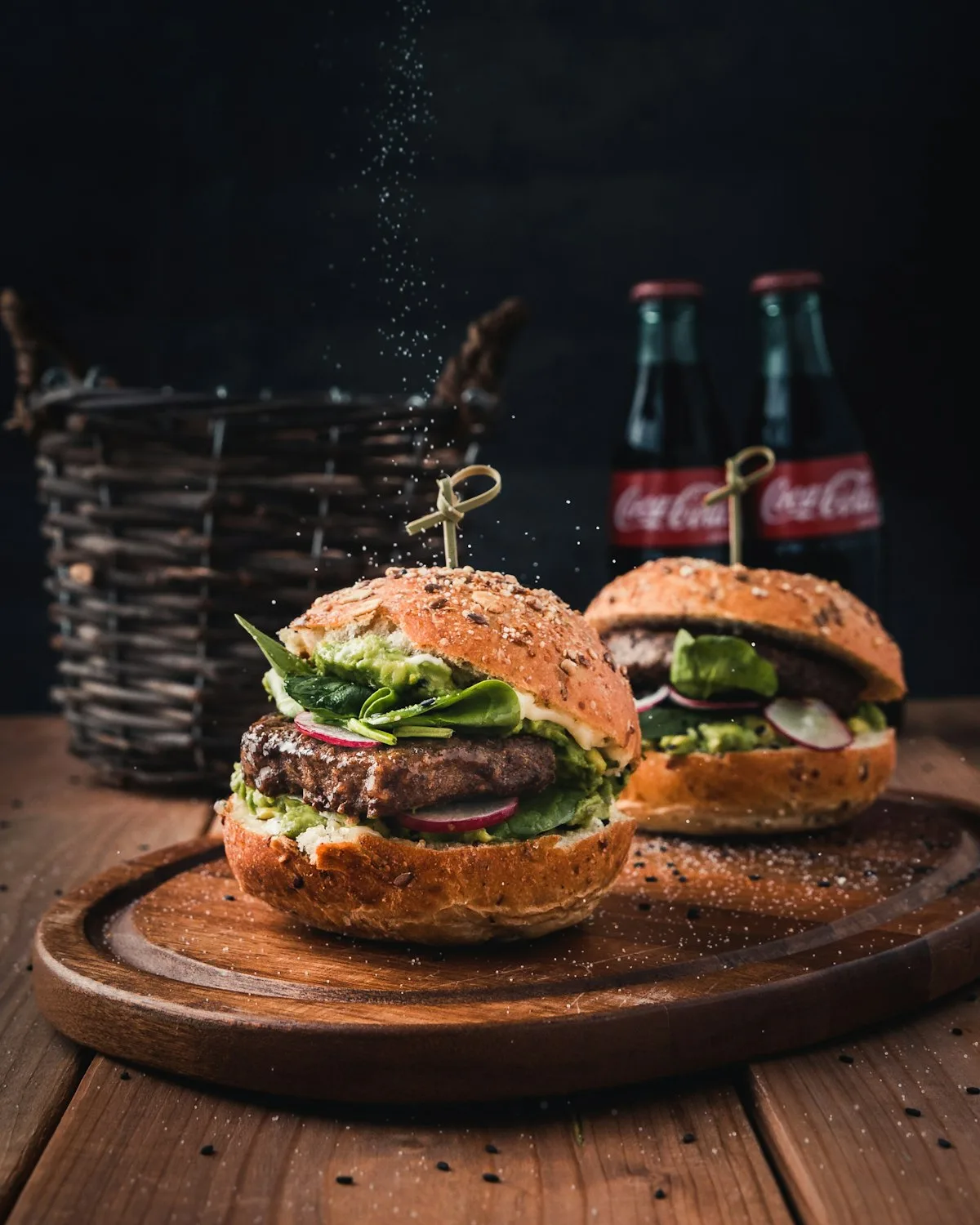
The chain had introduced Ultimate Steakburgers to their menu, a genuine product innovation they wanted consumers to try. But with IHOP’s identity so thoroughly tied to breakfast and specifically to pancakes, getting anyone to think of IHOP when they wanted a burger required something more than a menu update and a press release.
The problem wasn’t product quality. It was brand permission. Consumers didn’t think of IHOP as a burger place because they’d never had a reason to. The challenge was creating a reason loud enough and memorable enough to reorganize that category association.
The Campaign
The strategy unfolded in stages, each one designed to sustain attention and build toward the reveal.
First came the mysterious social media change. IHOb appeared on the chain’s official accounts with no immediate explanation. This was the tension-building phase. The uncertainty was deliberate and productive: it invited speculation, which invited engagement, which invited press coverage. What is IHOb? is a better question for generating conversation than What are IHOP’s new burgers? because it doesn’t reveal the answer.
Then came the reveal: International House of Burgers. The response from competitors was immediate and, for IHOP, extremely valuable. Burger King briefly renamed itself “Pancake King” on social media. Wendy’s said they’d call themselves IHOb for a day, where the b stood for “better burgers.” McDonald’s said the b stood for “burglar.” Whataburger said they didn’t need a gimmick. Every one of those responses was free advertising for IHOP’s burger positioning, delivered by brands with far more burger credibility than IHOP could claim on its own.
This is the structural genius of the campaign: the stunt was designed to invite exactly this kind of response. When established burger chains feel threatened enough to respond to a pancake restaurant claiming burger relevance, they implicitly acknowledge the relevance. The competitive pile-on validated the premise of the campaign.
Then IHOP changed the name back. The stunt closed its loop with a second news cycle, and the brand returned to its original identity with a memorable burger launch attached to it.
Why It Worked
The campaign worked because every element was calibrated precisely. The tension phase was long enough to generate speculation but short enough to prevent irritation. The reveal was surprising enough to sustain a second wave of coverage. The competitor responses were predictable enough that the campaign could be designed around them.
The critical insight was that IHOP didn’t need the market to permanently think of them as a burger brand. They needed a discrete moment of awareness around the burger launch, large enough and sticky enough to translate into trial. A permanent name change would have confused the brand’s core identity. A temporary one signaled playfulness and generated conversation without threatening the equity that IHOP had accumulated over sixty years.
There’s also something worth noting about the specific cultural moment. By 2018, the relationship between brands and social media audiences had matured to a point where a brand stunt of this kind could be read correctly. Audiences understood that brands did things on social media that were performative rather than literal. The IHOb announcement read as a stunt from the start to many people, but that didn’t diminish the engagement; if anything, it enhanced it, because people who suspected it was a stunt wanted to know what the punchline was.
The competitors’ responses require separate analysis, because they represent something strategically interesting. Each competing burger brand that responded had to make a quick decision: engage and amplify, or ignore. Most chose to engage, which in retrospect probably served IHOP better than ignoring the stunt would have. Their responses were funny and brand-consistent, but the aggregate effect was to make IHOP’s burger announcement the single biggest talking point in the fast food conversation for several days.
The Results
Burger sales at IHOP reportedly quadrupled in the weeks following the campaign, which, if accurate, represents a dramatic short-term impact on a product that had previously struggled to get consumer attention. The stunt generated earned media with an estimated value in the tens of millions of dollars, driven primarily by competitor responses and national news coverage.
IHOb trended globally on Twitter within 24 hours of the announcement. The eventual reveal generated its own second wave of coverage. Marketing and advertising trade publications analyzed the campaign extensively, and it became a widely cited example of social-first stunt marketing.
IHOP’s name went back to IHOP. The Ultimate Steakburger remained on the menu.
The Lesson for Today’s Marketers
The IHOb campaign is sometimes cited as an example of how to handle a product launch. That’s true but incomplete. It’s more precisely an example of how to create the conditions for a competitor response that amplifies your message.
The campaign would have been significantly less effective without McDonald’s, Wendy’s, and Burger King piling on. Those responses weren’t accidents. They were predictable outcomes of a stunt designed to invite them. When you enter a crowded category with a stunt announcement, established players in that category have three options: ignore it, validate it, or mock it. IHOb was designed to make mocking it attractive, because mocking it still put IHOP’s burgers at the center of the conversation.
The replicable lesson is about using a provocation to generate responses that do the work of establishing your claim. Rather than asserting burger relevance yourself, let burger brands acknowledge it by responding to you. The assertion coming from a competitor, even a dismissive competitor, carries more weight than the same assertion coming from the brand itself.
The non-replicable lesson is harder: this kind of stunt requires a brand with sufficient cultural familiarity that the audience cares what you’re announcing. IHOP could pull this off because everyone had an opinion about IHOP. A smaller or less familiar brand attempting a similar name-change stunt would more likely produce confusion than conversation. Know your equity before you deploy it.
Key Results
- Social Media Reach: IHOb trended globally across Twitter within 24 hours of the announcement
- Burger Sales: Burger sales reportedly quadrupled in the weeks following the campaign
- Earned Media: McDonald's, Wendy's, Burger King, and others joined the conversation, generating millions in earned media
SWOT Analysis
| Strengths | Weaknesses | Opportunities | Threats |
|---|---|---|---|
|
|
|
|
Key Takeaway
A well-constructed stunt doesn't need to be permanent to be effective; it needs to be believable long enough to generate conversation.
Enjoying our content? Make us a preferred source on Google.
Add as Preferred Source